Time:2025-11-18
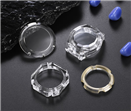
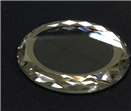
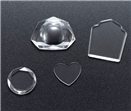
Sapphire lenses play an important role in various high-tech fields and daily life due to their optical properties and physical characteristics. This artificially synthesized single crystal alumina material has high transmittance, strong scratch and corrosion resistance, making it an ideal choice for optical applications. The following will explore the optical applications of sapphire lenses from technical principles, application scenarios, and other aspects.
1、 Technical principles and core advantages
Sapphire has a dense crystal structure, strong chemical stability, and can resist acid and alkali corrosion as well as high temperature environments. Optically, sapphire has excellent transparency in the ultraviolet to infrared wavelength range, with a transmittance of over 90% and a refractive index (1.76) higher than ordinary glass, effectively reducing light scattering. In addition, its high thermal conductivity (about 40W/m · K) allows for rapid heat dissipation, making it suitable for high-power optical systems. These characteristics enable it to maintain stable performance even in extreme environments.
2、 Core application areas
1. Camera equipment
Sapphire protective lenses are commonly used for camera lenses and movie cameras. For example, camera lenses use sapphire coated lenses to reduce glare and improve image quality.
2. Medical and research instruments
The lenses of endoscopes and laser surgical equipment often use sapphire because it can withstand high-pressure steam sterilization and does not react with biological tissues. In the field of scientific research, synchrotron radiation devices and space telescopes utilize their broad-spectrum transmission characteristics.
3. Industrial laser system
The output window of high-power CO ₂ laser requires sapphire lenses to withstand several kilowatts of laser energy, and the focusing lens of fiber laser cutting machine also uses sapphire to avoid thermal deformation caused by long-term operation.
4. Consumer Electronics and Wearable Devices
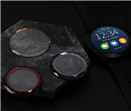
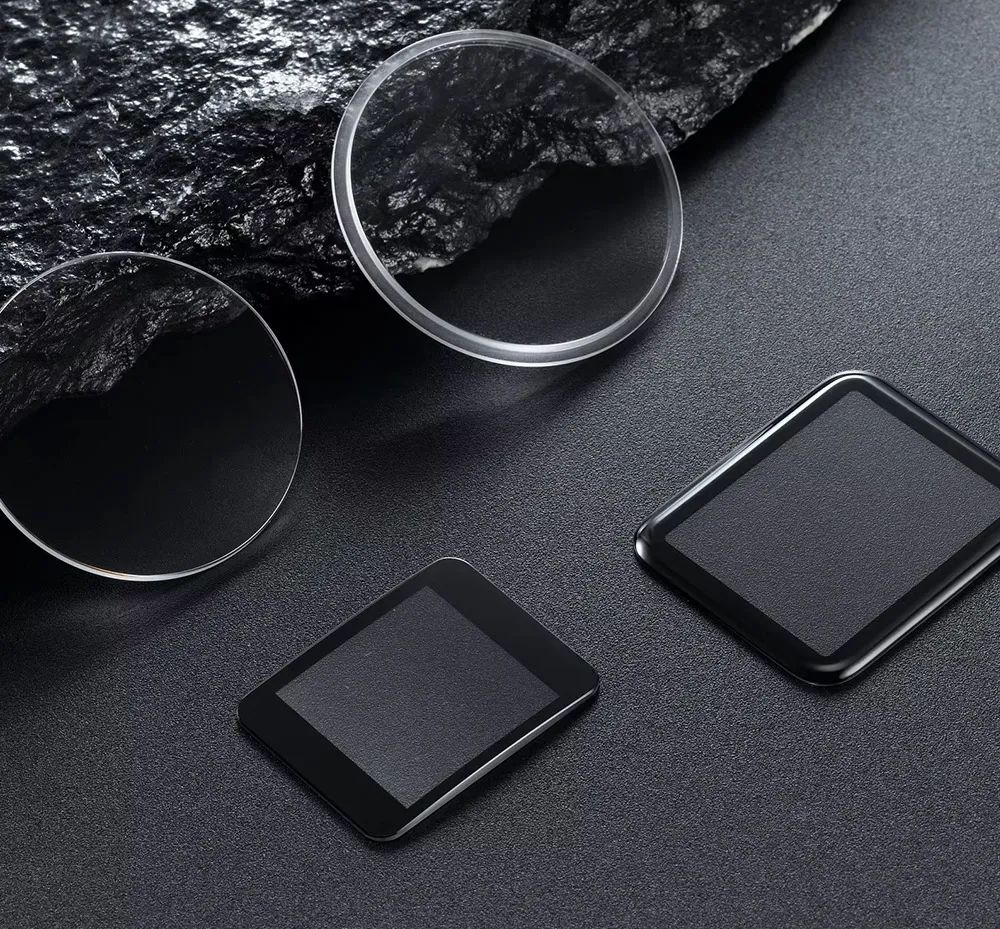
The mirrors of smartwatches are generally made of sapphire, which has significantly better scratch resistance than mineral glass. Some phone screen covers are also testing sapphire solutions.
From smartphones to deep space exploration, sapphire lenses are constantly expanding the boundaries of their optical applications. With process optimization and cost reduction, this "hardcore" material may move from being a luxury standard to a wider range of industrial and consumer sectors, redefining the performance standards of optical devices.Tel
Mobile phone
Customer service
TOP