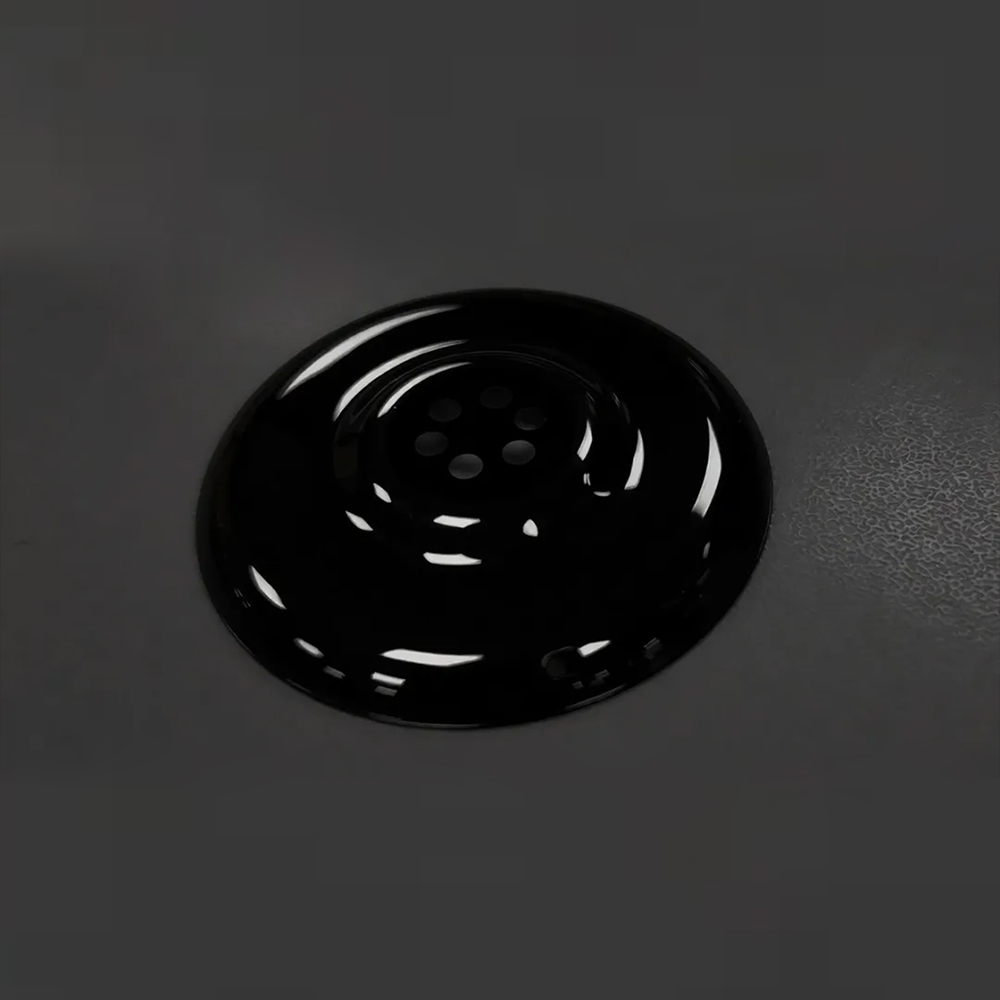
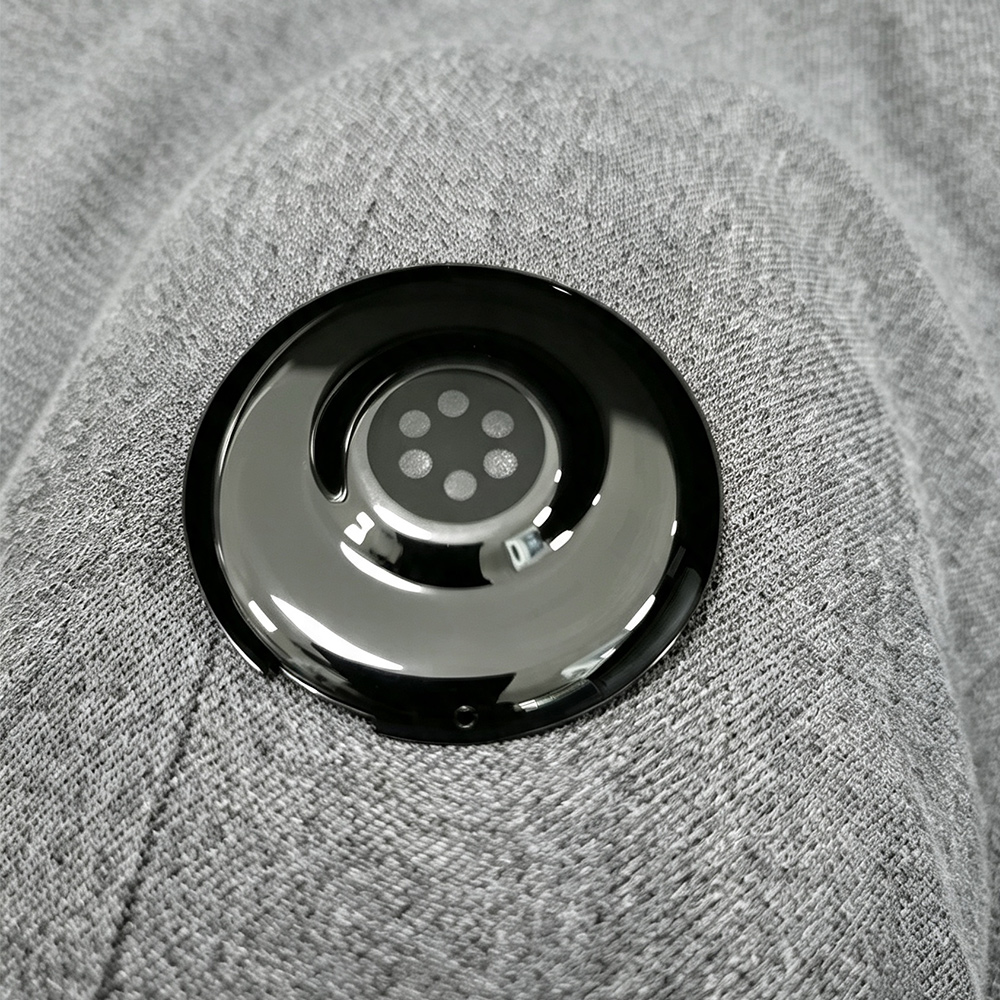
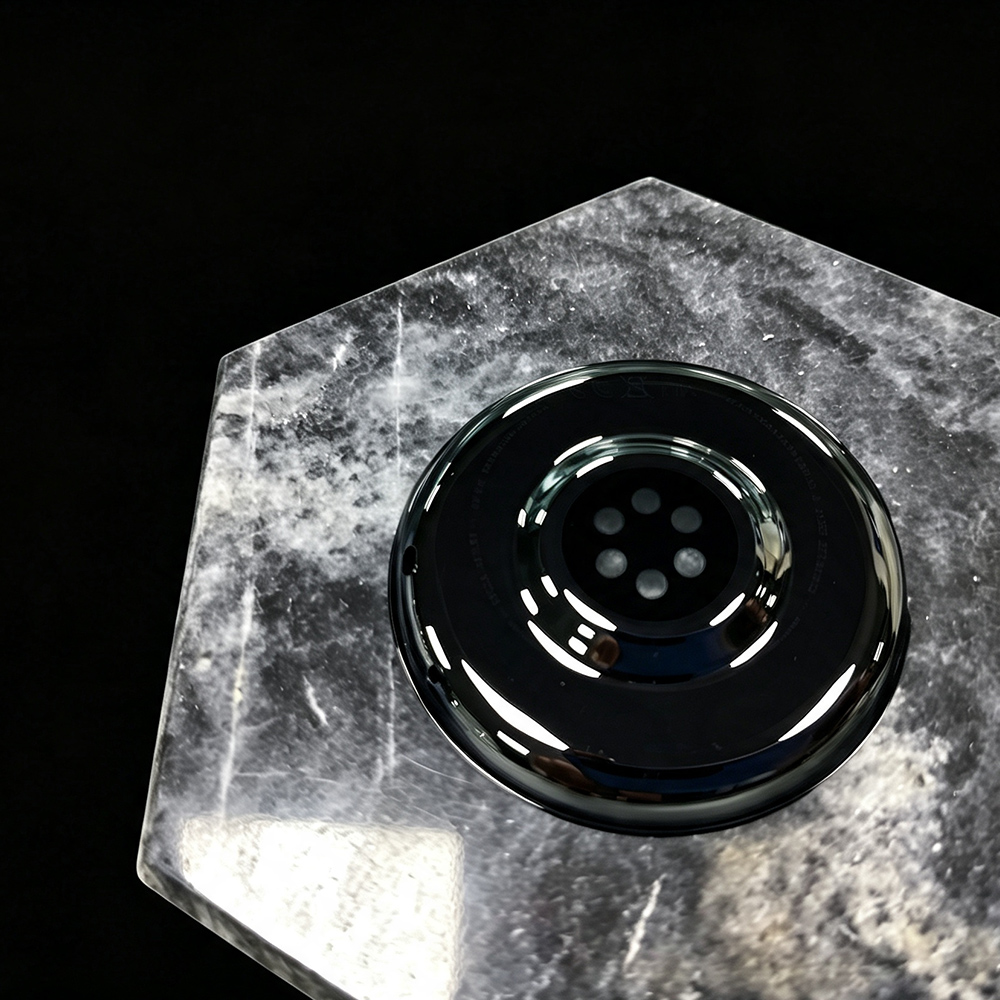
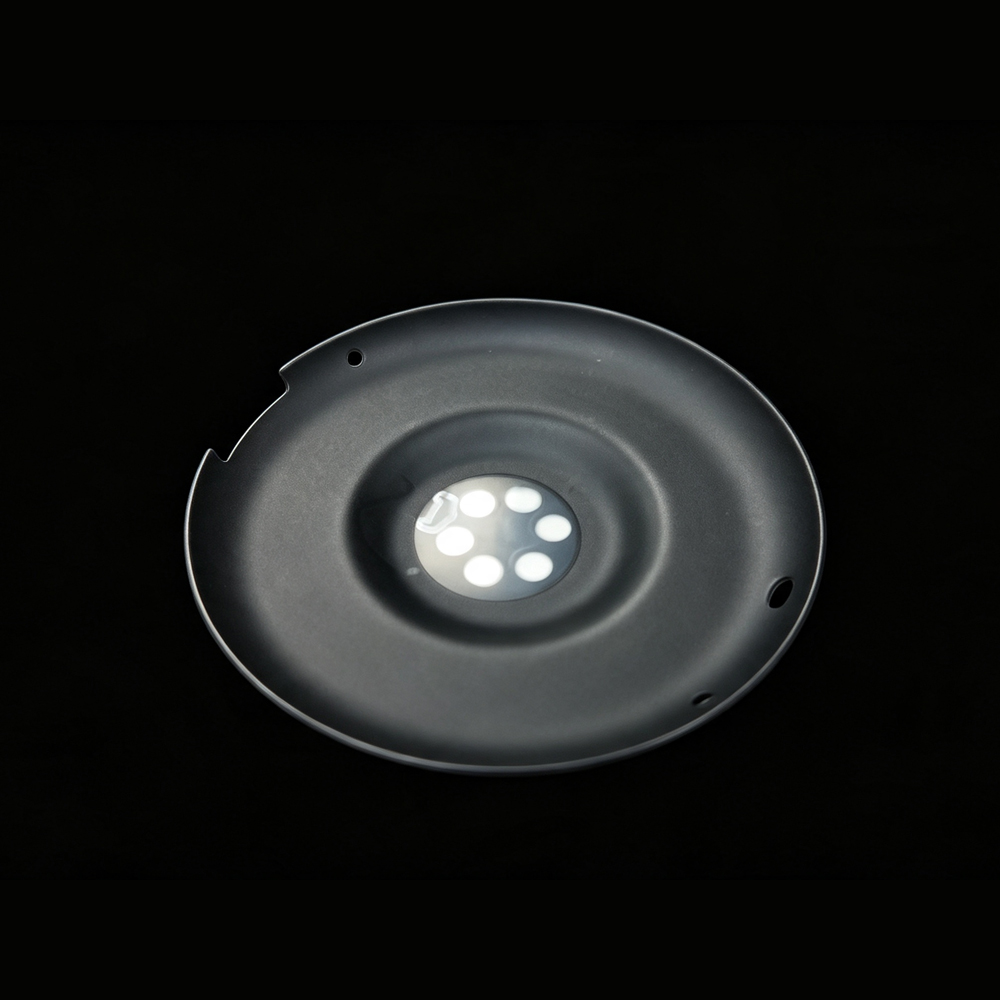
Sapphire PPG Sensor Window
PPG Sensor (photoplethysmography) is a non-invasive optical device based on photoplethysmography. It emits light that penetrates the skin and detects light intensity fluctuations caused by changes in blood volume to non invasively measure physiological parameters such as heart rate and blood oxygen saturation.
The basic principle of PPG (photoplethysmography):
The sensor emits a beam of light (usually green, red, or infrared) towards the skin and uses a photodetector to capture the light reflected or scattered back from subcutaneous blood vessels. Due to the periodic changes in blood volume during heartbeats, the degree of light absorption also changes accordingly. The reflected light intensity captured by the detector will exhibit weak fluctuations synchronized with the heartbeat (usually only 0.5% to 5%). By analyzing the changes in light intensity, physiological indicators such as heart rate and blood oxygen saturation (SpO2) can be calculated.
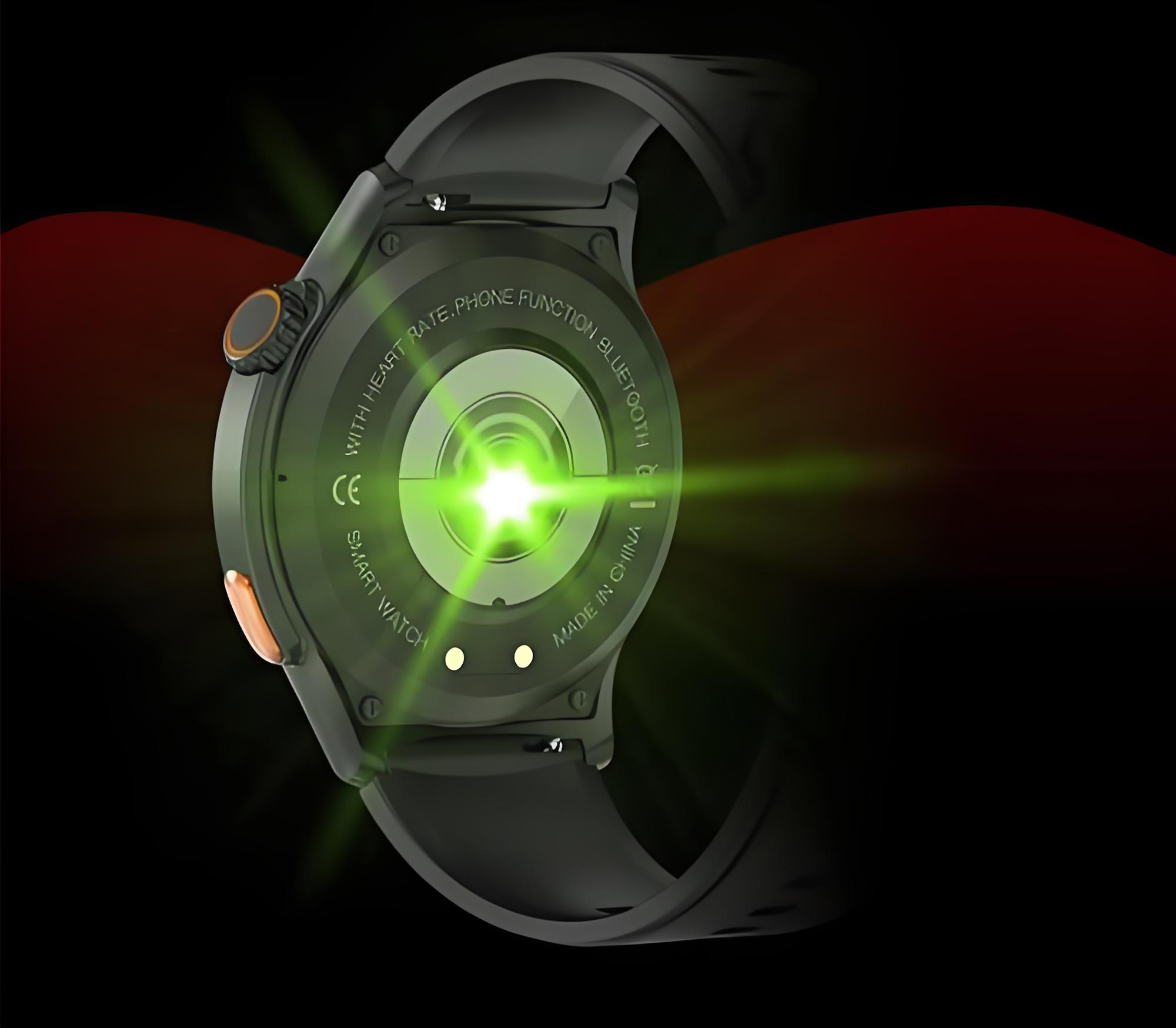
In high-end smartwatches, the PPG Sensor Window generally refers to the smooth and transparent area on the back of the watch with flashing green or red light, which can be understood as the "light gatekeeper" role it plays in the entire PPG monitoring process.
It is not the core component that actively emits light or senses light, but rather ensures accurate and efficient transmission of optical signals through three key functions: optical transmission, signal filtering, and component concealment. It is an indispensable part of PPG sensors, as it ensures efficient passage of signal light and effective blocking of interference light through carefully designed optical structures, while also taking into account the appearance design of the device.
What are the advantages of using sapphire glass as a sensor window?
1. Wear resistant and scratch resistant, ensuring long-term precision:
Sapphire has an extremely high hardness (Mohs hardness of 9, second only to diamond), making it difficult to scratch during daily use. This is crucial for sensor windows, as any small scratches can scatter and block light, causing signal attenuation and directly affecting the measurement accuracy of heart rate, blood oxygen, and other data. Using sapphire glass ensures that the sensor maintains high transparency throughout the entire lifecycle of the device.
2. Excellent optical performance with minimal signal loss:
Sapphire has high transmittance in a wide spectral range from ultraviolet to infrared, which perfectly meets the requirements of PPG sensors (commonly used in green, red, and infrared light). At the same time, its thermal conductivity is also better than ordinary glass, which helps to dissipate heat inside the sensor and ensure operational stability.
Product consultation hotline:19924616008